
Inside Farizon SV Technology: Drive-by-Wire and Cell-to-Pack Battery
Understanding the core technologies of the Farizon SV: the GXA-M electric platform, dual-redundant drive-by-wire, Cell-to-Pack battery and B-pillarless structure
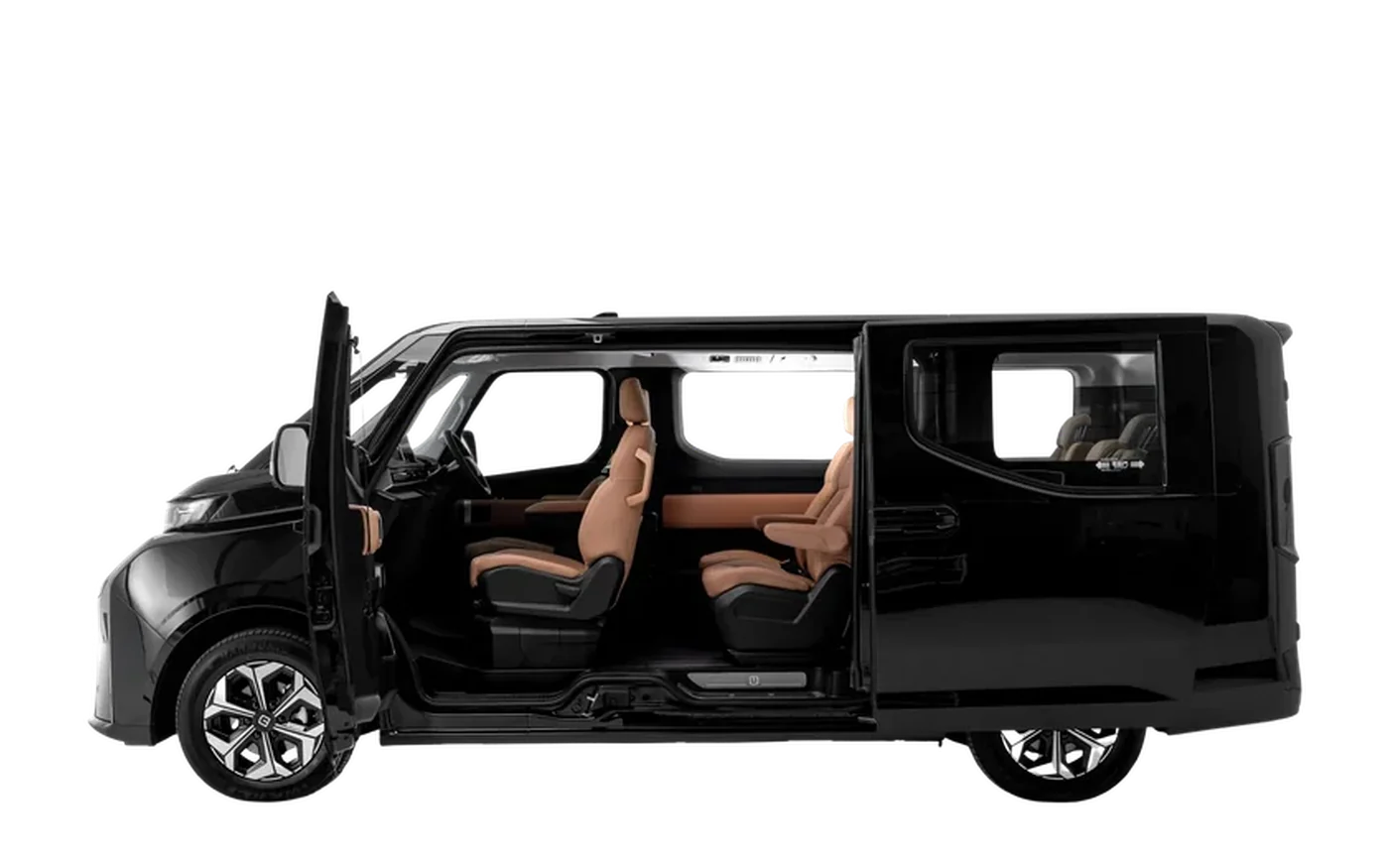
When it comes to electric vans, many buyers focus only on battery size and range. But what truly determines long-term value is the architecture of the vehicle as a whole. Farizon SV or SuperVAN, is a great example of a commercial vehicle designed entirely around electric power. This article explains its core technologies in terms fleet managers can use to inform their decisions.
A dedicated EV platform
The SV is built on Farizon's GMA architecture, a modular platform designed for EVs from the ground up. This allows multiple body lengths, wheelbases from around 3,100 to 3,850 mm and several roof heights from a shared structure. The advantage of this approach is optimal placement of the battery, motor and electrical systems, without compromising around the space once occupied by an engine and fuel tank, as in vehicles converted from diesel models.
Dual-redundant drive-by-wire
Farizon says the SV is the first van to use a Dual-redundancy Drive-by-Wire This means steering and braking are controlled by electronic signals, with two redundant backup systems: if one fails, the other continues to operate. The benefits for users include:
- Quicker steering and braking response, helping to shorten braking distances
- Fewer mechanical parts reduce overall weight, which the brand says helps increase payload
- Supports advanced driver assistance and future autonomous driving, as shown by WeRide choosing this platform for its Robotaxi
Cell-to-Pack battery
A Cell-to-Pack battery integrates cells directly into the pack, reducing or eliminating the intermediate module layer. According to the brand, the result is around 10% more battery capacity, around 4% less weight and around 20% greater body structural rigidity, as the battery pack also serves as part of the structure.
In terms of battery chemistry, the SV in Europe uses 67 and 83 kWh LFP batteries from CATL, known for their cycle durability and thermal stability — well suited to a hot climate like Thailand's. Some markets also offer a 106 kWh NMC battery for the extra-long-body version.
B-pillarless structure and safety
Removing the B-pillar from the sliding door side may raise concerns about rigidity, but the SV compensates with a new load-bearing structural design and a battery pack that reinforces the floor. Its 5-star Euro NCAP rating is proof that loading convenience does not come at the expense of safety.
Next step: SV MY27
At IAA Transportation 2026 in Germany, Farizon unveiled the 2027 SV, with improved battery and motor performance and all-wheel drive for the first time. Although technical details and launch timing have not yet been announced, it shows that this platform still has plenty of room to evolve.
Source: electrive and information released by Farizon at the Bangkok Motor Show
If you are planning to transition your business fleet to electric, or would like to see the vehicle in person before deciding, the Motor Creation the authorized dealer for Ayutthaya and surrounding areas, is ready to advise on the right model for your work, charging installation and financing plans for businesses. Book a Farizon SuperVAN test drive at our showroom, or contact our corporate sales team any day of the week.
Sources: electrive, Bangkok International Motor Show, Euro NCAP · Compiled by the Motor Creation team
Online channels
Choose a platform, then the channel you'd like to follow