
Farizon SuperVAN vs. Diesel Vans: How to Calculate Total Cost
A guide to calculating total cost of ownership (TCO) for the Farizon SuperVAN versus diesel vans, for business owners and fleet managers in Thailand
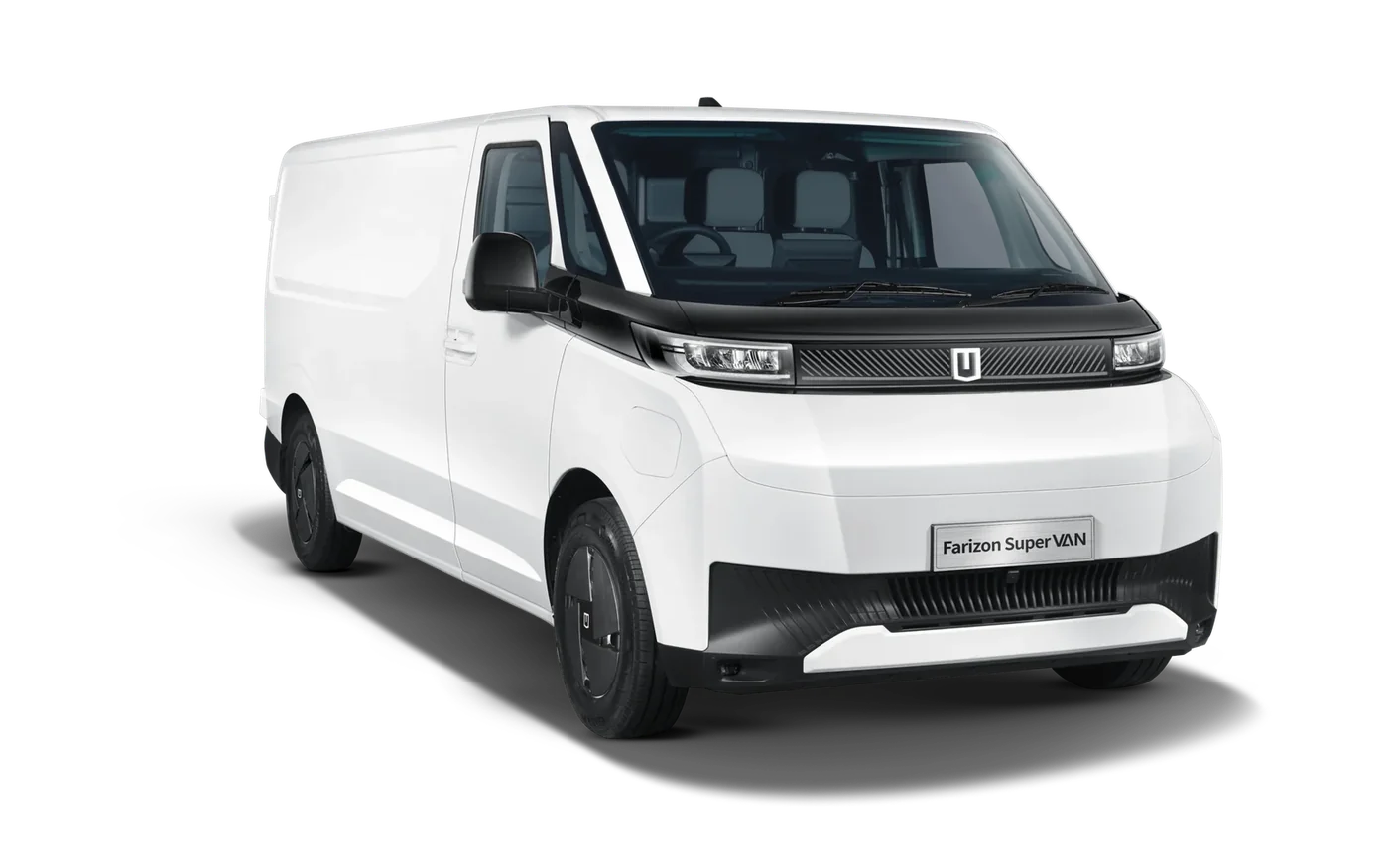
The first question fleet managers usually ask when considering an electric van is: "It costs more to buy, so is it really worth it?" The right answer lies not in the sticker price alone, but in the Total cost of ownership or Total Cost of Ownership (TCO). This article sets out a framework for comparing the Farizon SuperVAN with a similarly sized diesel van, so you can run the numbers using your own business data.
TCO components to consider
- Purchase price and financing costs Including down payment, interest and tax benefits for business entities
- Energy costs Electricity cost per kilometer versus diesel cost per kilometer
- Maintenance costs EVs have no engine oil, oil filters, clutch or exhaust system
- Insurance and annual tax
- Downtime Days off the road for servicing, which affect revenue
- Residual value when reselling or at the end of a lease
Where electric vans have the edge
For vehicles working every day, energy is the largest expense after the vehicle itself. Charging overnight at your warehouse or office — especially on TOU rates or with rooftop solar panels — usually makes energy cost per kilometer significantly lower than diesel. The more you drive each day, the greater the accumulated savings.
Maintenance is another area with clear savings. Regenerative braking reduces brake pad wear, and fewer moving parts in the drivetrain mean longer service intervals. In some markets, such as Australia, the SuperVAN comes with an 8-year or 200,000 km battery warranty, easing concerns about major future expenses (please check terms for Thailand with your dealer).
Points that need careful planning
- Charger installation at your parking area, and meter upgrades if you run multiple vehicles
- Routes longer than the range on a single charge may require fast-charging points along the way
- Actual payload and all-day air-conditioning use, which affect range
- Training drivers in energy-efficient driving
How to make a fair comparison
We recommend collecting data on your existing diesel vehicles for at least 3–6 months, including daily mileage, fuel consumption, maintenance costs and days off the road. Then compare this with the EV's energy consumption and your site's actual electricity rates, calculated over your intended period of use, such as 5 years. The result will reflect your business reality far better than general averages.
Another qualitative factor not to overlook is your sustainability image. Many corporate clients and multinationals are starting to score suppliers on reducing carbon emissions in transport, which may open business opportunities that are hard to put a figure on. The Zero-Emission Van of the Year award from What Van? that the SV received was likewise judged on running costs and real-world suitability.
Warranty and specification data based on carsales
If you are planning to transition your business fleet to electric, or would like to see the vehicle in person before deciding, the Motor Creation the authorized dealer for Ayutthaya and surrounding areas, is ready to advise on the right model for your work, charging installation and financing plans for businesses. Our team would be happy to prepare a preliminary TCO table based on your business's actual data. Book a Farizon SuperVAN test drive at our showroom, or contact our corporate sales team any day of the week.
Sources: carsales, What Van? · Compiled by the Motor Creation team



Online channels
Choose a platform, then the channel you'd like to follow